Rajasthan is known for its royal heritage, vibrant colours, and deep-rooted traditions and nowhere are these cultural elements more beautifully expressed than in weddings. A traditional Rajasthani celebration is not just about the ceremony itself; it is a journey filled with emotions, family bonds, music, and meaningful customs that have been passed down through generations. Understanding Rajasthani wedding rituals helps you appreciate the cultural depth behind every step, from the first engagement ceremony to the final farewell.
Whether you are planning a destination wedding or simply curious about traditions, this guide explains Rajasthani wedding rituals in a way that feels easy to understand while respecting their cultural significance.
The Cultural Essence Behind Rajasthani Weddings
Before diving into individual ceremonies, it’s important to understand the spirit behind Rajasthani wedding rituals. These traditions are deeply influenced by Rajput heritage, spiritual beliefs, and the value placed on family unity. Every ritual symbolises blessings, protection, or the beginning of a new life chapter.
Today, many couples seek professional wedding consulting services to help them honour traditional customs while organising large-scale celebrations smoothly. Heritage-inspired venues such as the Grand Fateh Hotel in Udaipur often provide the royal ambience that reflects the elegance associated with Rajasthani weddings, while still allowing modern comforts.
Pre-Wedding Rajasthani Wedding Rituals
The journey usually begins weeks before the wedding day. These early ceremonies bring families together and create excitement long before the main event.
Roka and Sagai Ceremony
One of the first Rajasthani wedding rituals is the Roka or Sagai (engagement). This ceremony officially announces the union between two families. Gifts, sweets, and blessings are exchanged, symbolising acceptance and commitment.
Unlike modern engagement parties, traditional sagai rituals are intimate and spiritual, focusing more on family connections than grand celebrations. Many couples now arrange a pre wedding consultation to plan these early ceremonies thoughtfully and align them with both tradition and personal preferences.
Pithi Dastoor (Haldi Ceremony)
The Pithi ceremony is one of the most joyful Rajasthani wedding rituals. A turmeric paste is applied to the bride and groom to bless them with good health, protection, and a glowing appearance before the wedding. Family members sing traditional songs while applying the paste, creating an atmosphere filled with laughter and warmth.
Some couples now host this ceremony at a Resort in Udaipur with Swimming Pool, where vibrant décor and open spaces enhance the festive vibe.
Mehendi Ceremony
Mehendi is both artistic and symbolic. Intricate henna designs are applied to the bride’s hands and feet, often hiding the groom’s initials within the patterns. Among all Rajasthani wedding rituals, this is one of the most colourful and lively events, featuring music, dance, and joyful interactions between families.
When planning multi-day celebrations, many families work closely with a Wedding Coordinator to ensure the timeline flows smoothly without losing the authenticity of traditional rituals.
Groom’s Traditional Rituals
While many people focus on the bride’s ceremonies, the groom also participates in several important Rajasthani wedding rituals.
Baan and Sehra Bandi
During the Baan ritual, the groom receives blessings from elders before getting dressed for the wedding. Later, the Sehra Bandi ceremony takes place, where a decorative veil is tied to the groom’s turban. This ritual symbolises protection from negative energy and marks the groom’s readiness for marriage.
These customs reflect the royal heritage deeply connected to Rajasthani wedding rituals, where attire and symbolism hold great meaning.
The Grand Baraat – A Royal Procession
The Baraat is one of the most visually striking Rajasthani wedding rituals. Traditionally, the groom arrives on a decorated horse or vintage vehicle, accompanied by music, dancing, and family members celebrating together.
In destination weddings, many couples collaborate with a destination wedding consultant to design a baraat experience that blends grandeur with seamless logistics. Scenic venues like a Resort in Badi Udaipur allow for majestic entries that feel both traditional and cinematic.
Bride’s Welcome and Milni Ceremony
Once the baraat arrives, the bride’s family welcomes the groom with the Milni ritual. Elders from both families greet each other with garlands and embrace, symbolising unity and mutual respect.
Among Rajasthani wedding rituals, Milni represents the merging of two families rather than just two individuals a concept deeply valued in traditional culture.
Sacred Wedding Rituals at the Mandap
The main wedding ceremony takes place under a beautifully decorated mandap. These spiritual Rajasthani wedding rituals are filled with symbolism and sacred chants.
Jaimala (Varmala Ceremony)
The bride and groom exchange garlands, symbolising mutual acceptance. This moment often becomes one of the most photographed parts of the celebration.
Kanyadaan
Kanyadaan is an emotional ritual where the bride’s parents formally entrust their daughter to the groom. It reflects trust, love, and blessings for the couple’s future.
Saat Phere – The Seven Sacred Vows
One of the most significant Rajasthani wedding rituals, the Saat Phere involves the couple walking seven rounds around the sacred fire. Each round represents a promise from companionship and respect to shared responsibilities and spiritual growth.
The calm and meaningful atmosphere of this ritual highlights the deeper values behind traditional weddings.
Post-Wedding Rajasthani Wedding Rituals
The celebrations don’t end after the ceremony. Several post-wedding customs mark the beginning of the couple’s new journey together.
Vidaai – The Emotional Farewell
Vidaai is often the most emotional moment among Rajasthani wedding rituals. The bride bids farewell to her family, symbolising her transition into a new phase of life. Despite its emotional nature, the ritual reflects hope, blessings, and love.
Griha Pravesh
When the bride arrives at the groom’s home, she performs Griha Pravesh, stepping inside with traditional rituals that symbolise prosperity and happiness. This ceremony marks her official welcome into her new family.
The Meaning Behind Rajasthani Wedding Attire
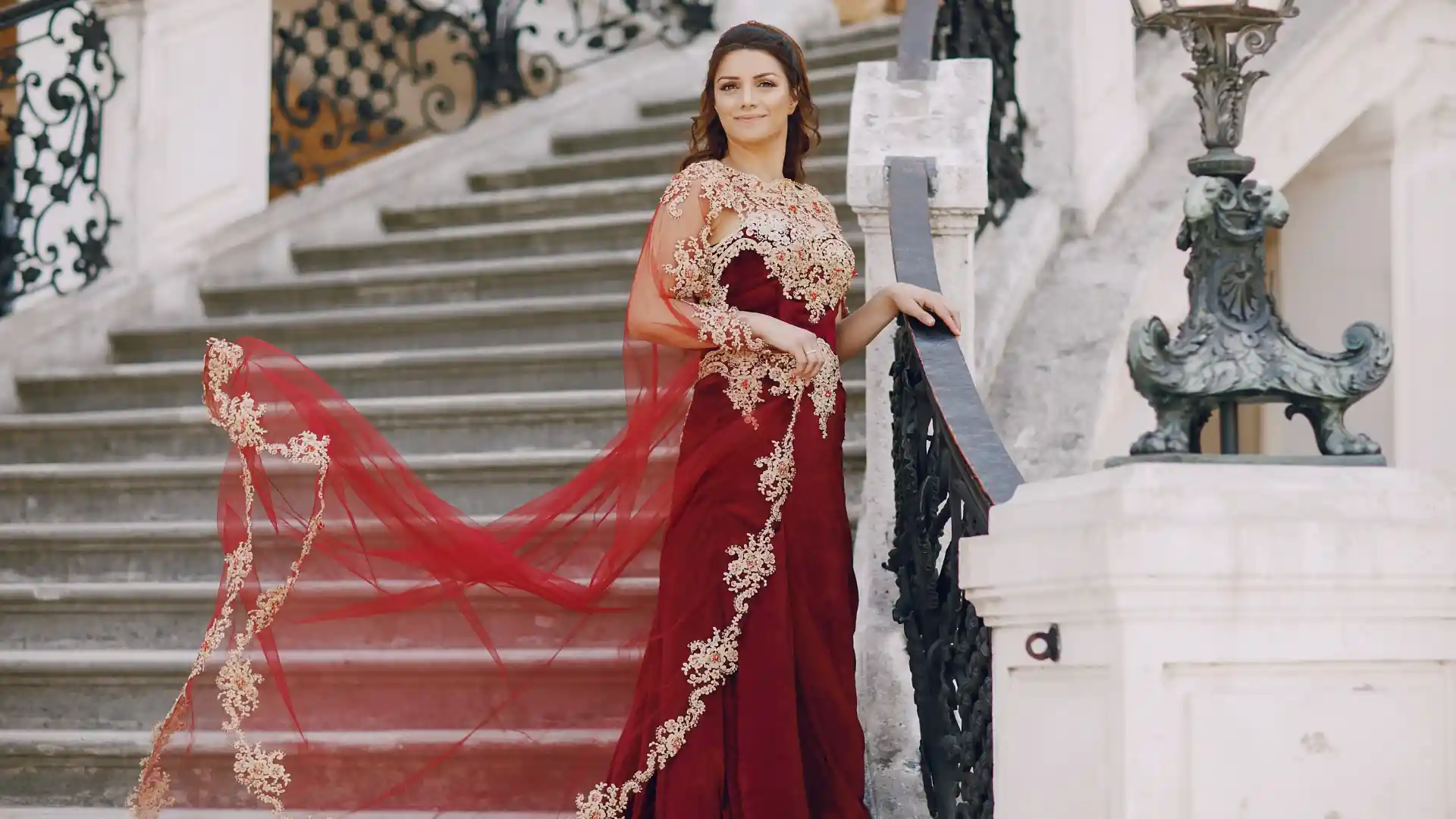
Traditional clothing plays a vital role in Rajasthani wedding rituals. Brides often wear richly embroidered lehengas or poshak, while grooms dress in regal sherwanis with turbans. The colours and fabrics reflect regional heritage and royal aesthetics.
Some modern weddings blend traditional attire with contemporary styling, especially in luxury venues like the Grand Fateh Hotel in Udaipur, where heritage architecture enhances the overall experience.
Modern Influences on Traditional Rajasthani Wedding Rituals
While traditions remain strong, many couples today adapt Rajasthani wedding rituals to suit modern lifestyles. Destination weddings, personalised décor, and themed celebrations have become popular, but the spiritual core of each ritual remains unchanged.
Working with a wedding venue consultant can help couples choose locations that maintain cultural authenticity while offering modern amenities. For example, hosting ceremonies at a Resort with Spa in Udaipur allows couples to combine wellness experiences with traditional functions, creating a balance between celebration and relaxation.
Why Destination Weddings Are Popular for Rajasthani Traditions
Udaipur has become one of the most sought-after locations for destination weddings inspired by Rajasthani wedding rituals. The city’s lakes, palaces, and scenic landscapes create a perfect backdrop for ceremonies that feel both grand and intimate.
Couples often choose venues that reflect heritage while offering modern comfort. Open courtyards, garden spaces, and scenic views enhance the authenticity of traditional rituals without compromising convenience.
Common Symbols and Their Meanings
Understanding symbolism helps you appreciate the depth behind Rajasthani wedding rituals.
- Turmeric (Haldi): Purity and protection
- Sacred Fire: Witness to vows and spiritual unity
- Garlands: Acceptance and respect
- Seven Steps: Commitment to shared life goals
These elements transform each ritual into a meaningful expression of culture and spirituality.
Tips for Experiencing or Planning a Rajasthani Wedding
Respect Cultural Traditions
Even if you are hosting a modern celebration, preserving the essence of Rajasthani wedding rituals keeps the experience authentic.
Choose a Suitable Venue
Heritage-inspired locations or scenic resorts can enhance the traditional atmosphere. Properties surrounded by nature, such as a Resort in Badi Udaipur, provide a peaceful setting for multi-day ceremonies.
Blend Comfort with Tradition
Long wedding schedules can be tiring, so venues offering wellness amenities help guests relax between events.
The Emotional Beauty of Rajasthani Wedding Rituals
What makes Rajasthani wedding rituals truly special is not just their grandeur but the emotions behind them. Every song, blessing, and gesture reflects love, respect, and the importance of family.
Unlike quick modern ceremonies, these rituals create a shared experience where relatives, friends, and elders all play meaningful roles. This sense of community is one of the reasons Rajasthani weddings feel so memorable.
Final Thoughts
Rajasthan’s wedding traditions are a beautiful blend of heritage, spirituality, and celebration. From the joyful Mehendi ceremony to the sacred Saat Phere and emotional Vidaai, each step carries deep cultural meaning. Understanding Rajasthani wedding rituals allows you to see beyond the colours and music, recognising the values of love, unity, and respect that define these ceremonies.
Whether you are planning your own wedding or simply exploring cultural traditions, learning about Rajasthani wedding rituals offers a glimpse into one of India’s most vibrant and meaningful celebrations. With the right setting, thoughtful planning, and respect for tradition, these rituals continue to create unforgettable experiences that honour both the past and the future.
FAQs
What are the rules for marriage in Rajasthan?
Marriage rules in Rajasthan generally follow Indian legal guidelines along with traditional customs. Legally, the minimum age is 18 for brides and 21 for grooms, and marriages must be registered under the Hindu Marriage Act or other applicable laws. Families often consider horoscope matching, community traditions, and consent from both sides before finalising a match. Respect for rituals, elders’ blessings, and cultural values plays a strong role. While modern couples may personalise ceremonies, many still follow traditional practices that emphasise commitment, family unity, and long-term responsibility within the marriage.
What is the tradition of marriage in Rajasthani?
Rajasthani marriage traditions are deeply rooted in heritage, spirituality, and royal customs. Celebrations usually begin with engagement ceremonies, followed by Mehendi, Haldi, and musical gatherings with traditional songs. The groom arrives with a grand baraat, and the couple exchanges garlands before taking sacred vows around the fire during the Saat Phere. Rituals focus on blessings, respect for elders, and symbolic gestures that represent love and partnership. Vibrant attire, folk music, and elaborate decor reflect the region’s cultural richness, making Rajasthani weddings feel both festive and emotionally meaningful.
What are the customs of Marwadi wedding?
Marwadi weddings are known for their detailed rituals and strong emphasis on family values. Pre-wedding ceremonies include Sagai, Mehendi, and Pithi Dastoor, where turmeric is applied for good luck. The groom’s procession, or baraat, is lively, followed by rituals like Jaimala, Kanyadaan, and Saat Phere. Post-wedding customs such as Vidaai and Griha Pravesh mark the bride’s new beginning. Traditional Marwadi attire, jewellery, and food play an important role throughout the celebration. These customs highlight respect, devotion, and the coming together of two families through meaningful and time-honoured traditions.